Beginning the year with hands-on restoration of a fragile coastal ecosystem
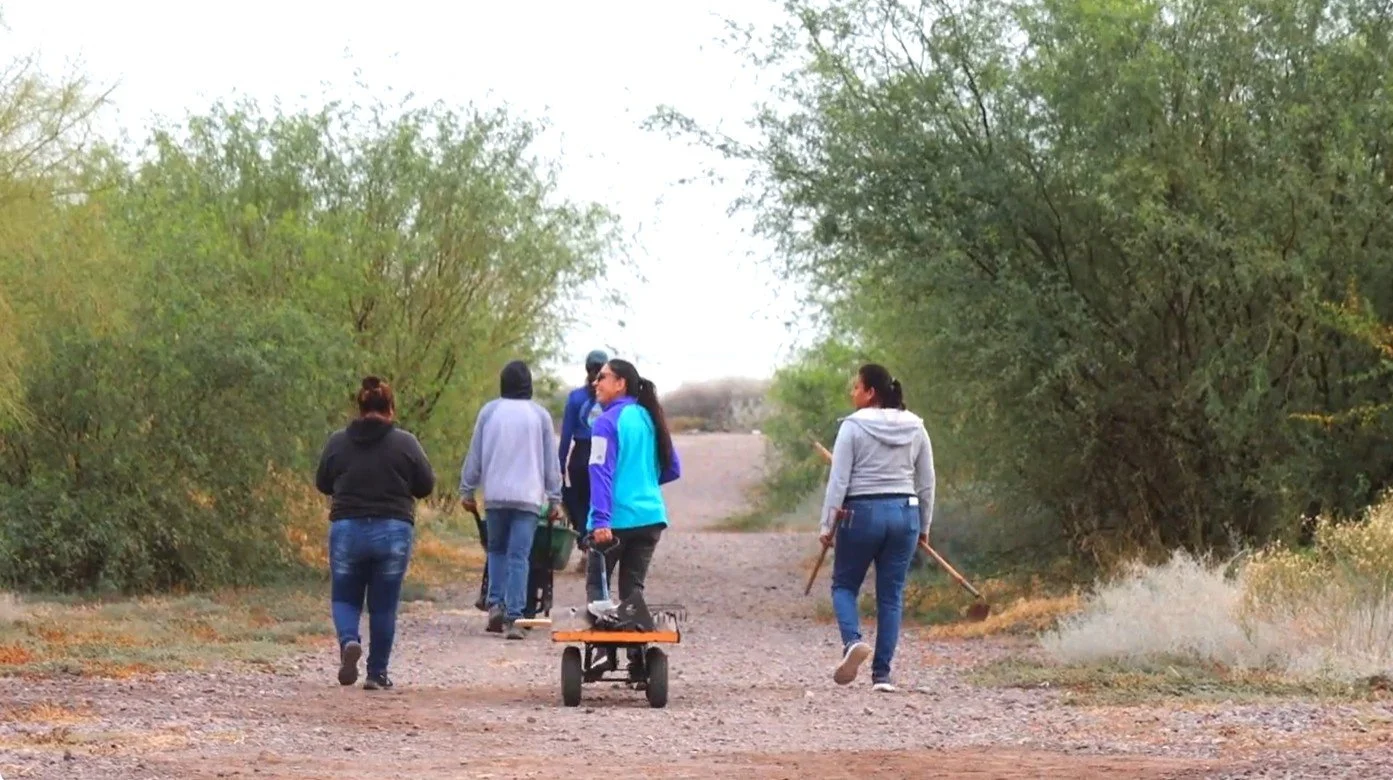
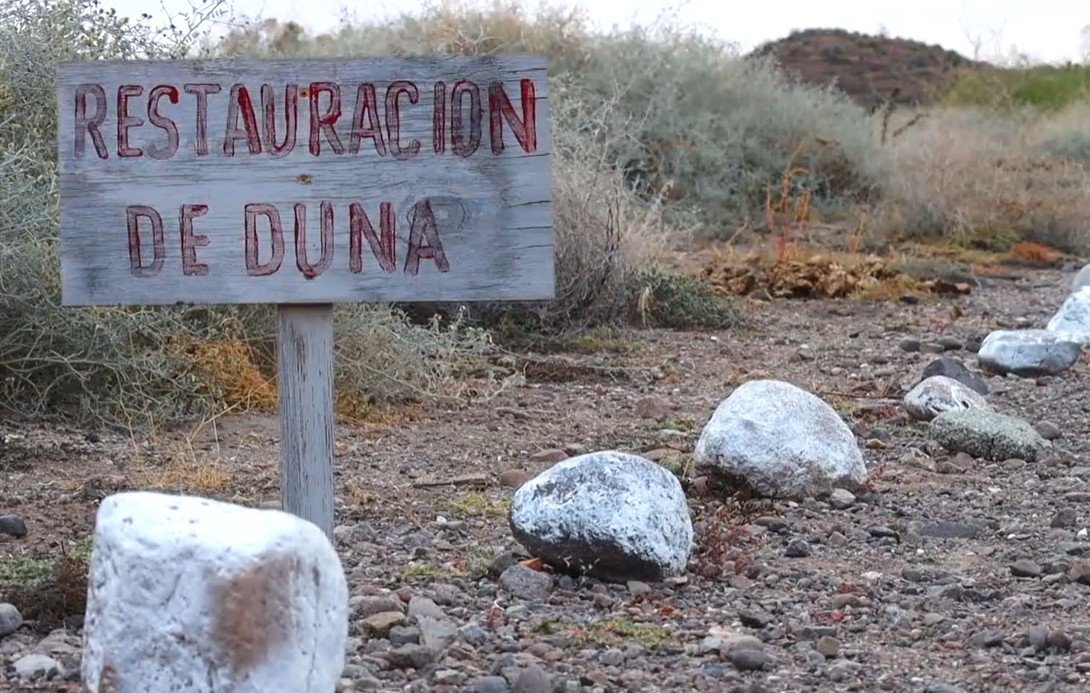
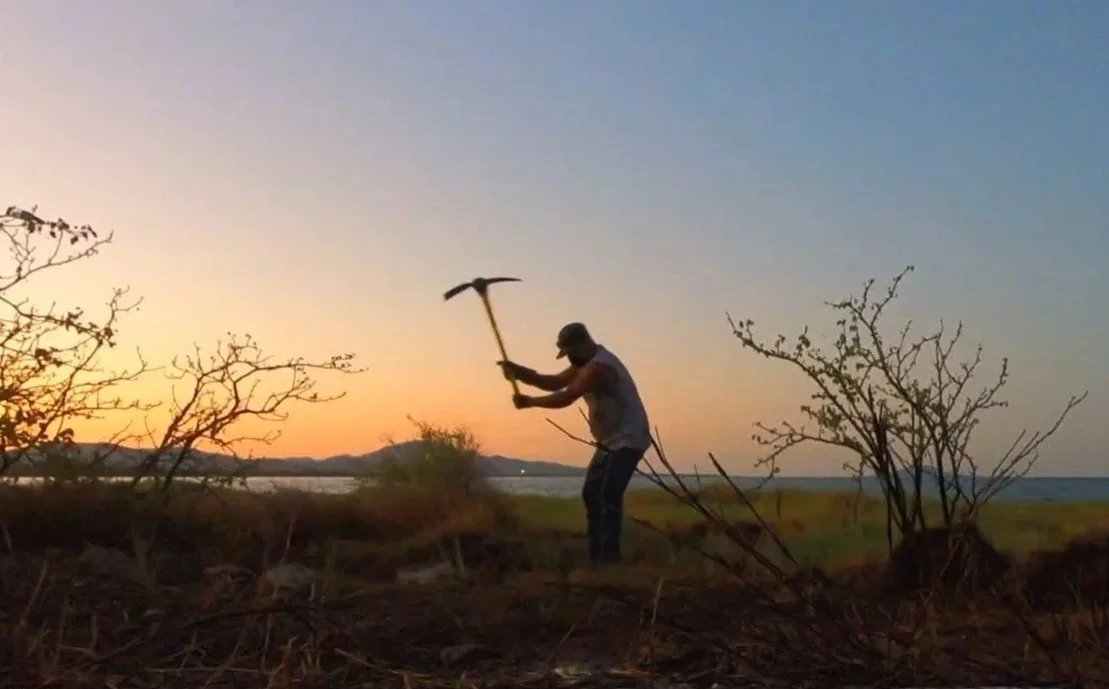
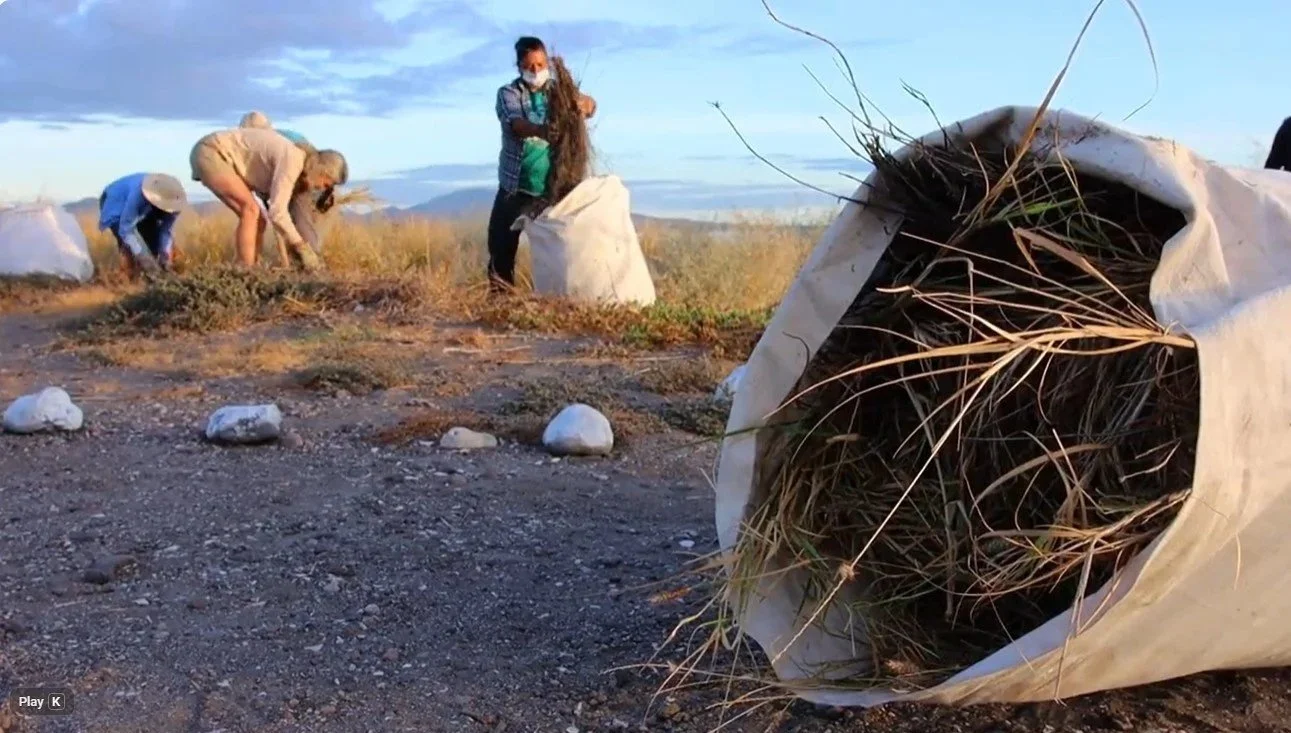
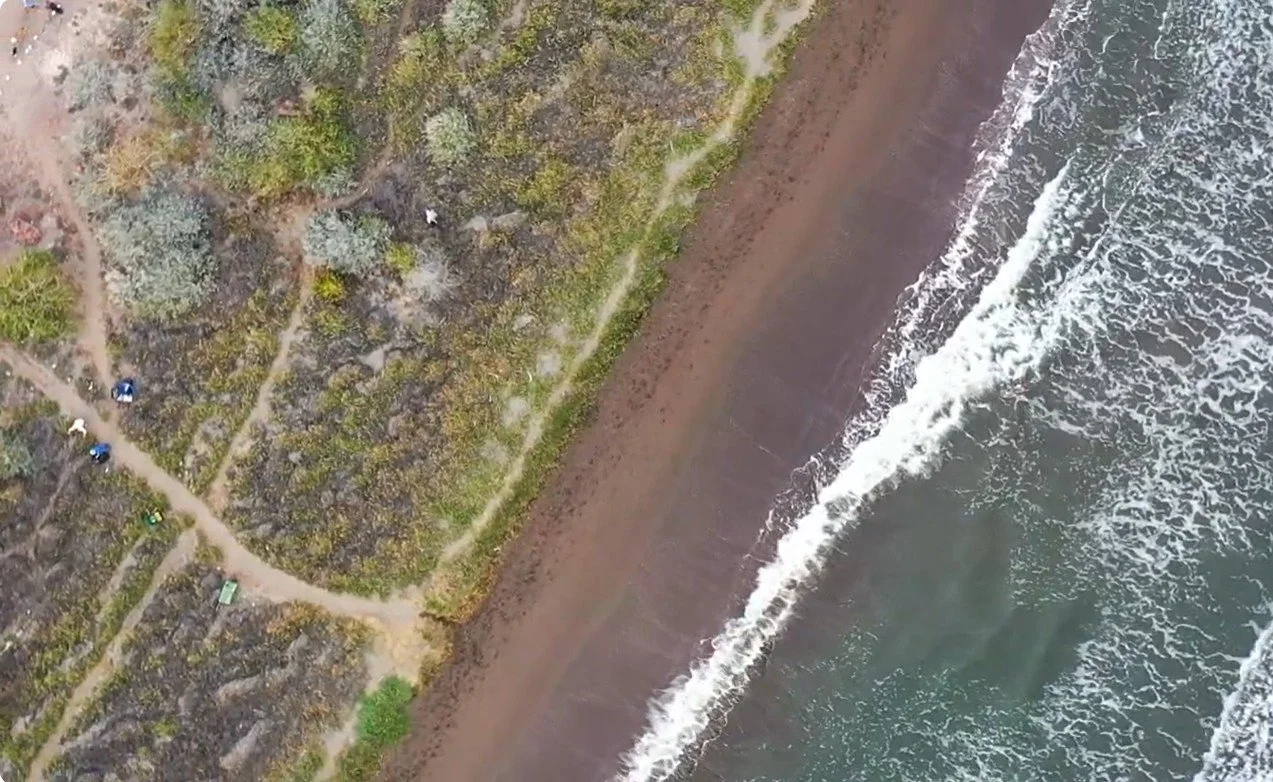
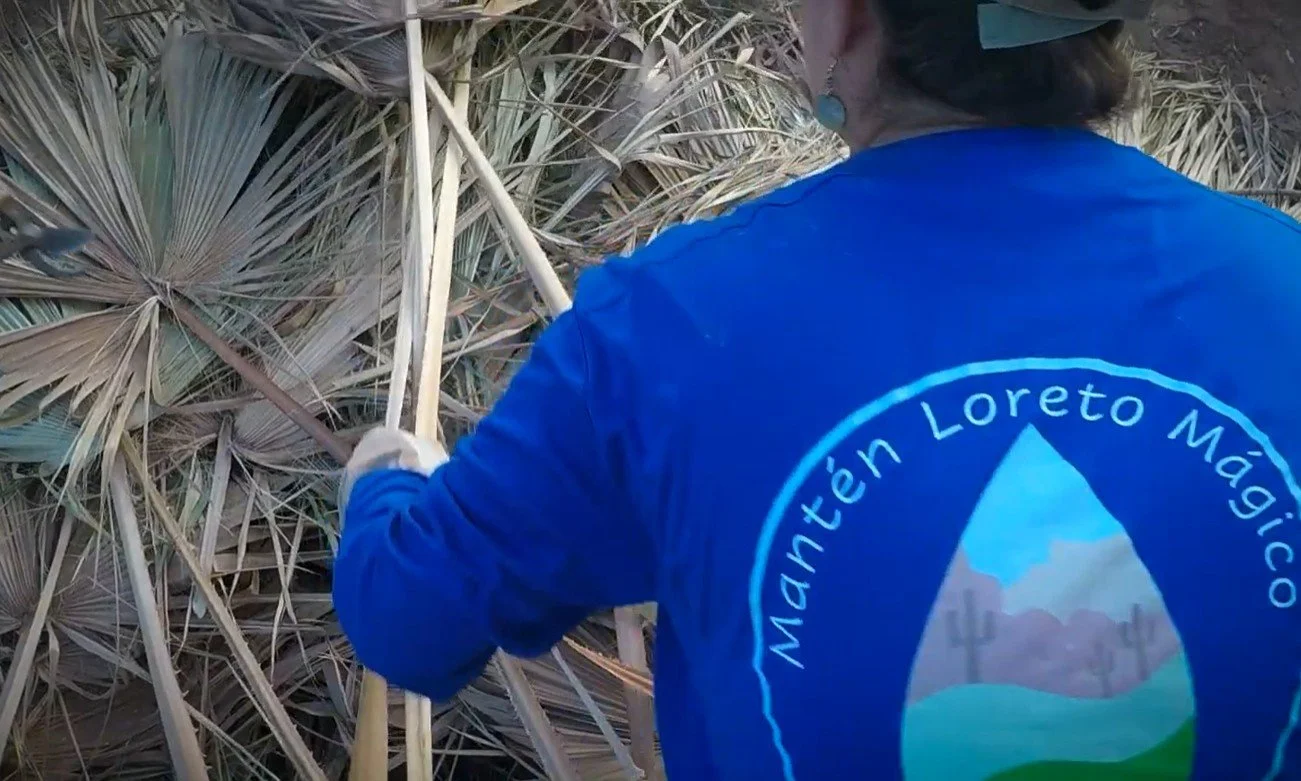
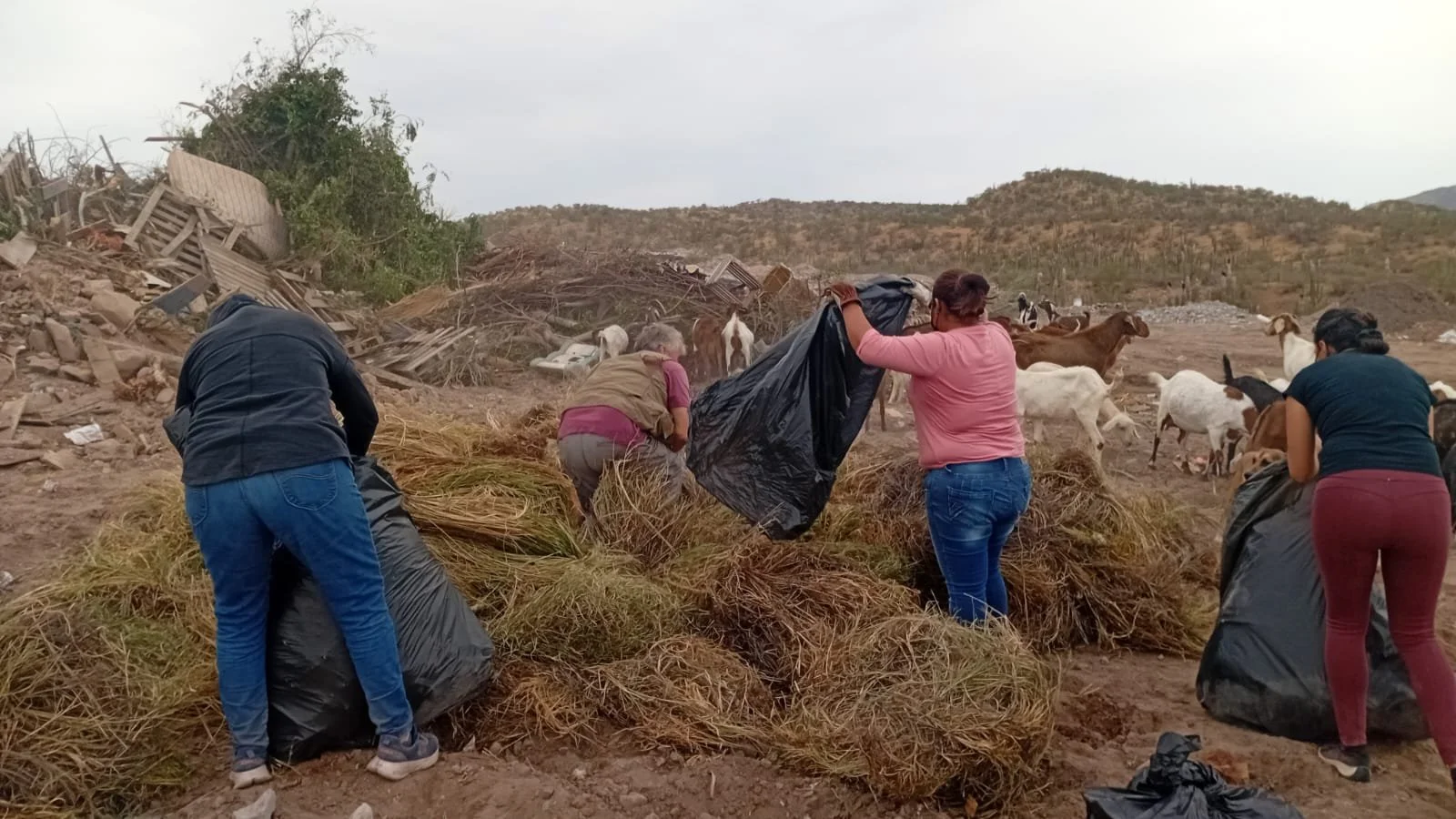
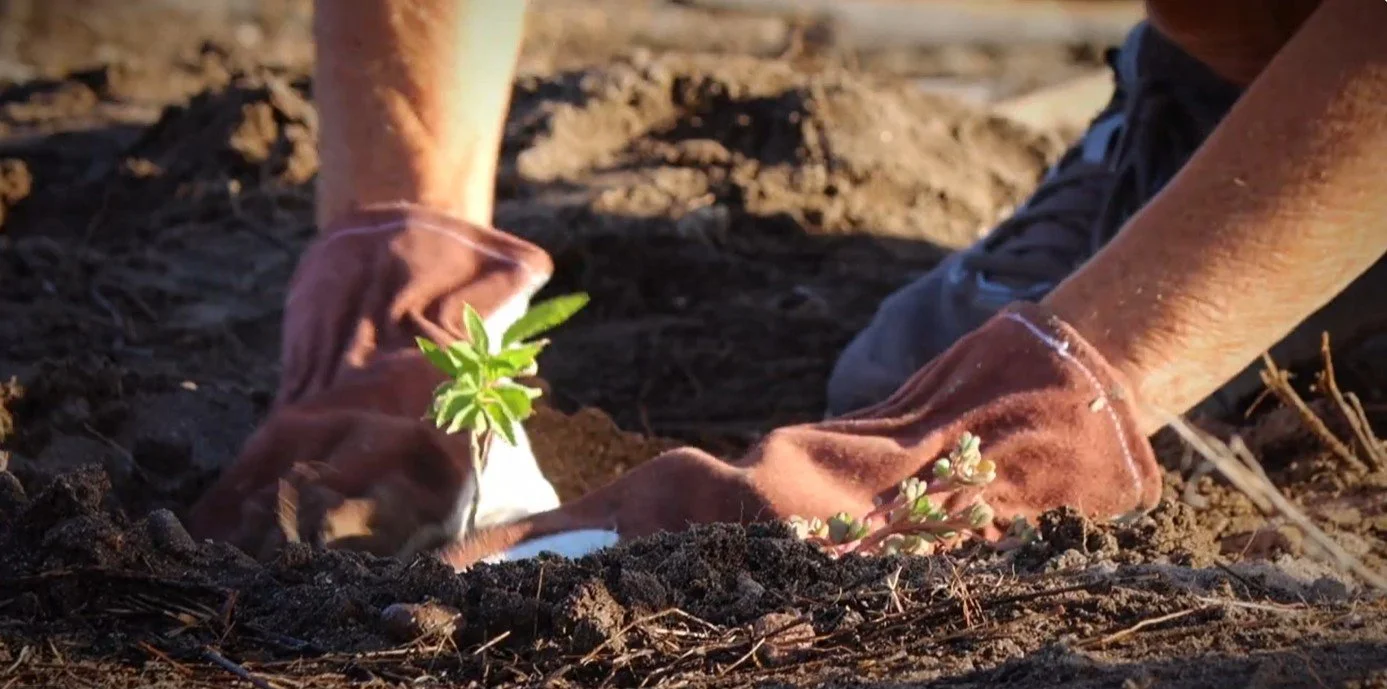
The new year began quietly for KLM volunteers—on foot, in the dunes, with hand tools and long-term commitment guiding the work. On January 1, 2026, volunteers gathered at Nopoló Beach to continue restoring a fragile dune system threatened by invasive species and ongoing human pressure.
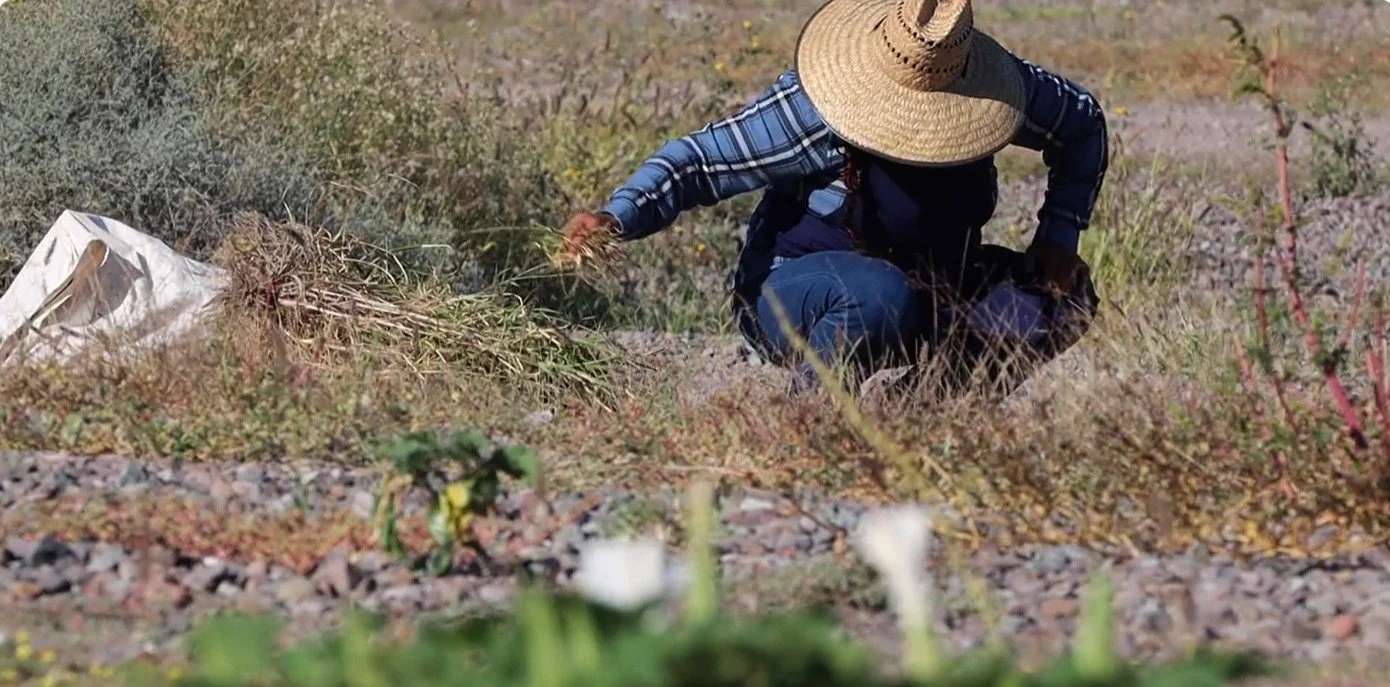
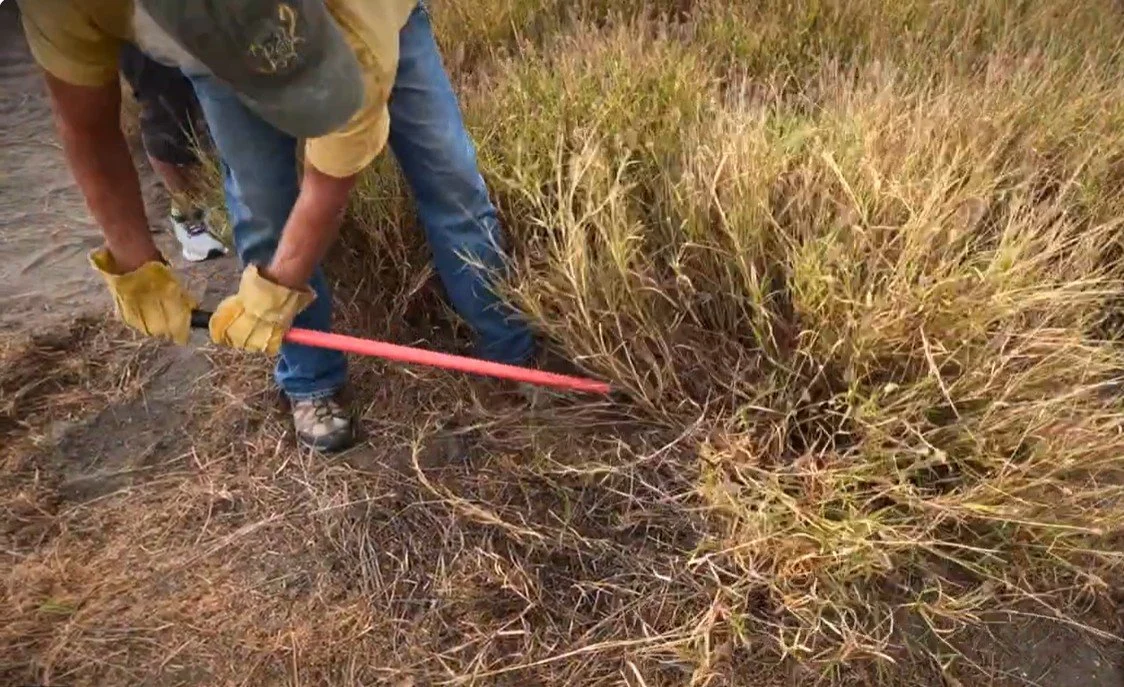
Unlike visible shoreline debris, invasive plants like buffel grass damage the coast slowly. They crowd out native vegetation, destabilize dunes, and leave wildlife without the habitat it depends on. Volunteers spent the day removing invasive growth, uncovering native plants struggling to survive beneath it, and replanting species adapted to this environment. Some plants were rescued; others were reintroduced and carefully tended until they could take hold on their own.
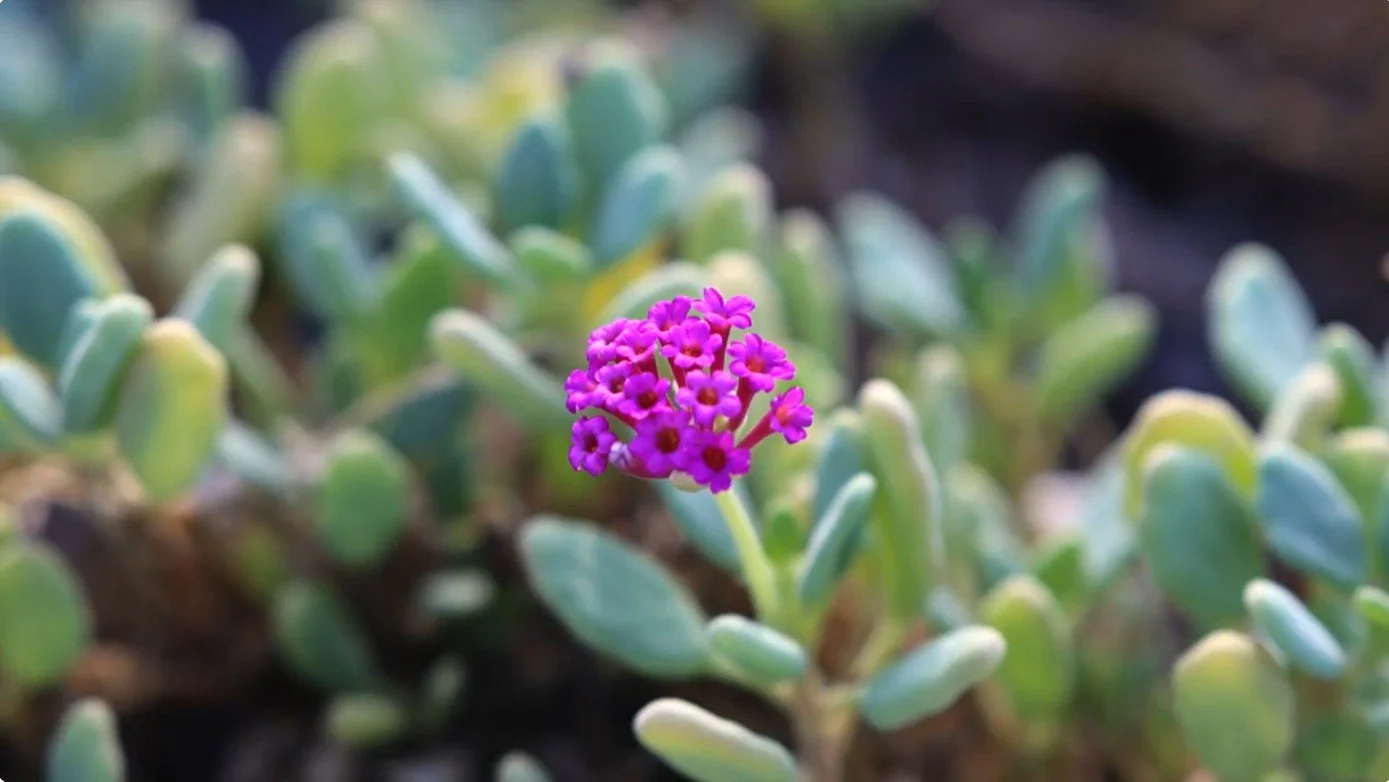
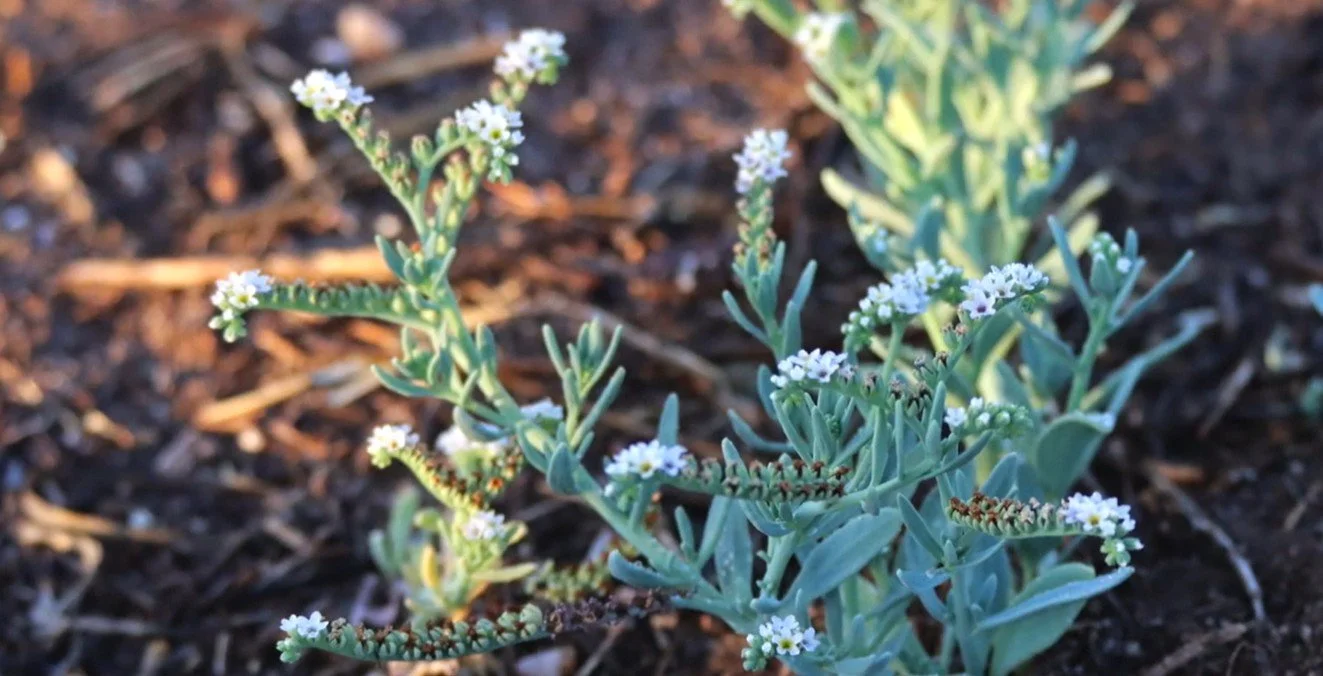
This restoration effort has unfolded over many years. What was once a uniform patch of invasive weeds has gradually become a living dune again—supporting native flowers, birds, butterflies, and pollinators, and strengthening the shoreline itself.
On New Year’s Day, KLM:
Began the year with hands-on dune restoration at Nopoló Beach
Removed invasive buffel grass and non-native plants
Protected and re-established native dune vegetation
Supported the return of wildlife and pollinators to coastal habitat
Starting the year in the dunes reflects the heart of KLM’s work—steady, patient restoration and a commitment to protecting Loreto’s most vulnerable resources over time.