Early Bird Hikes

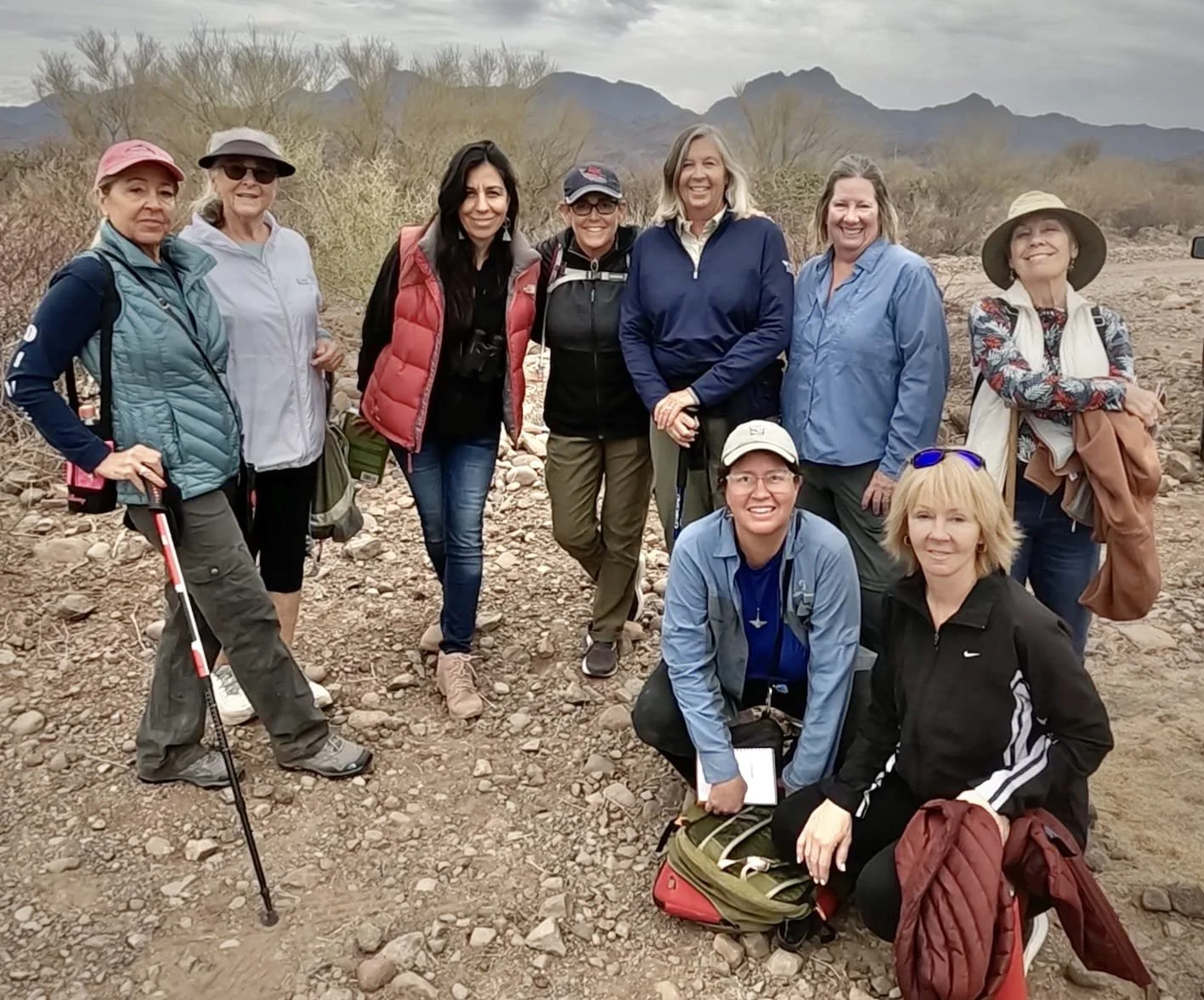
KLM Hiking Club

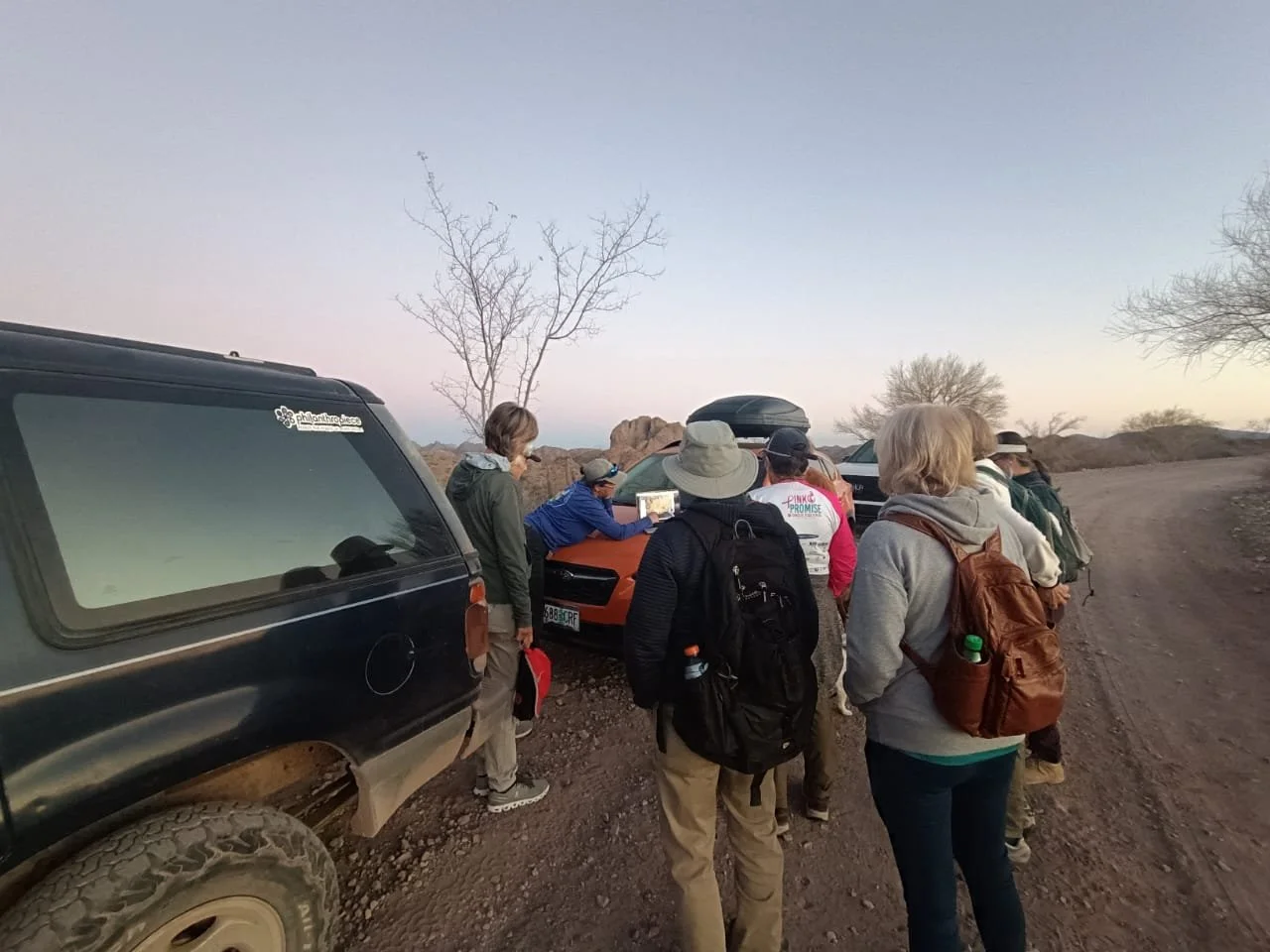
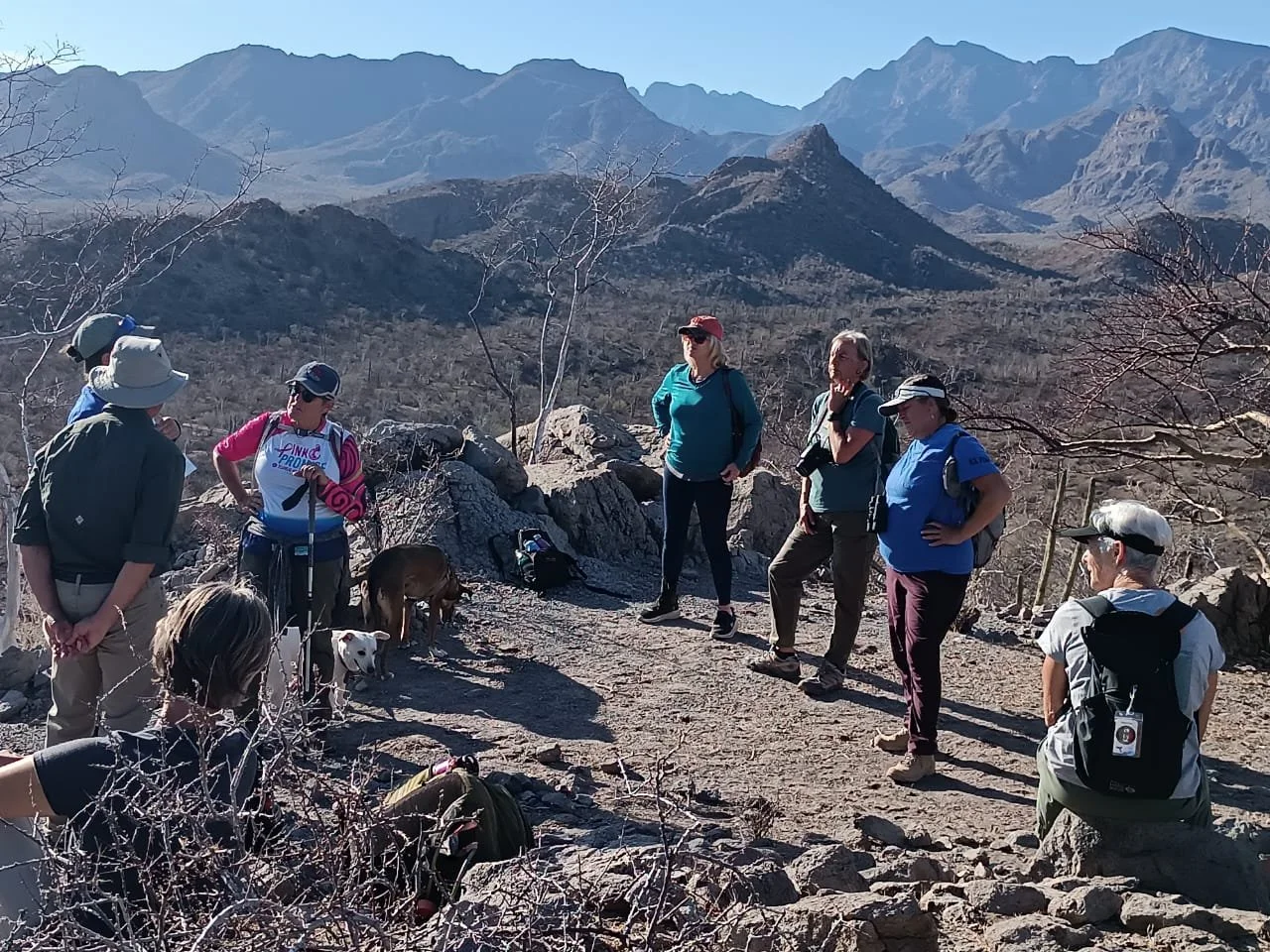
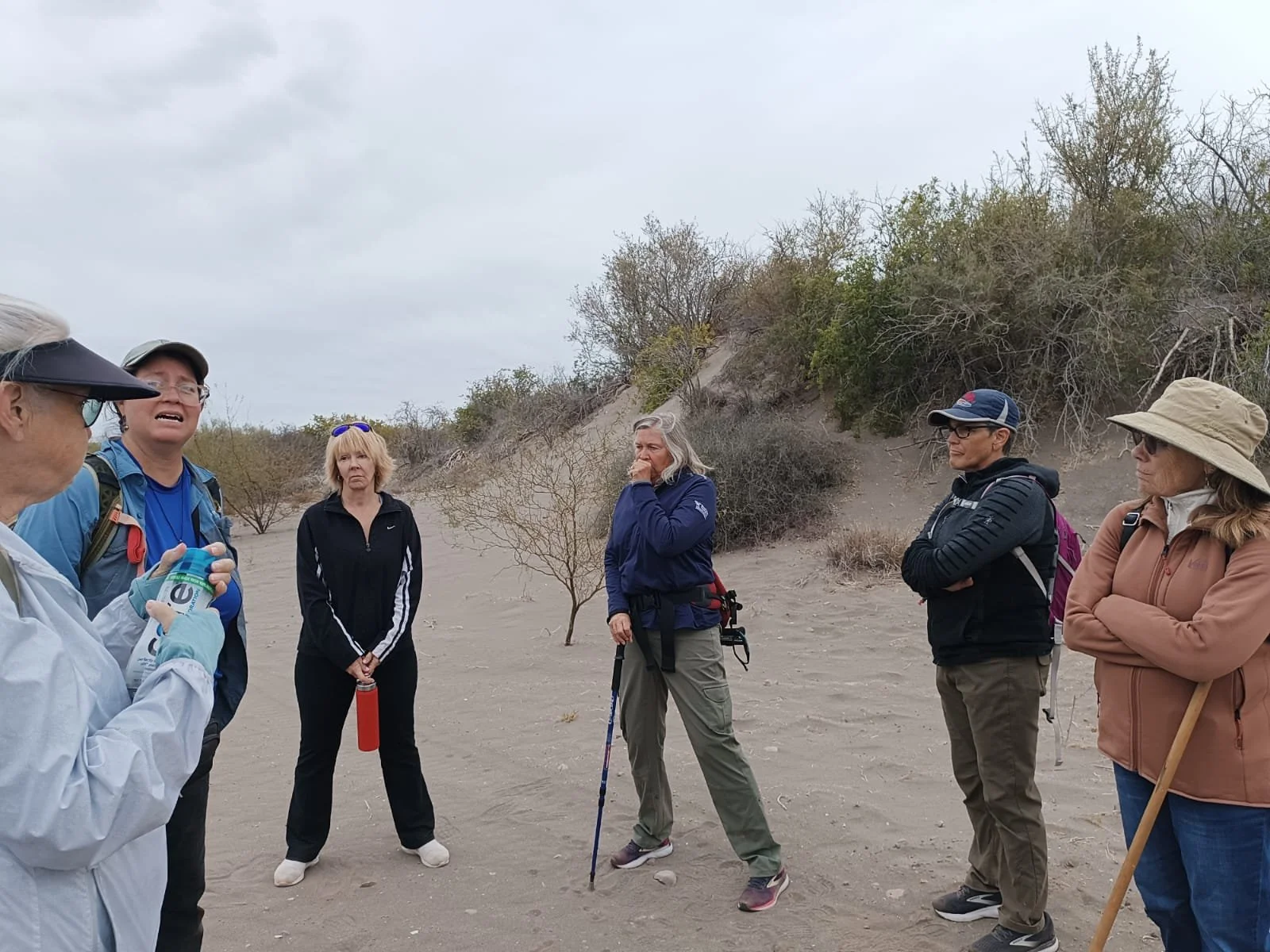
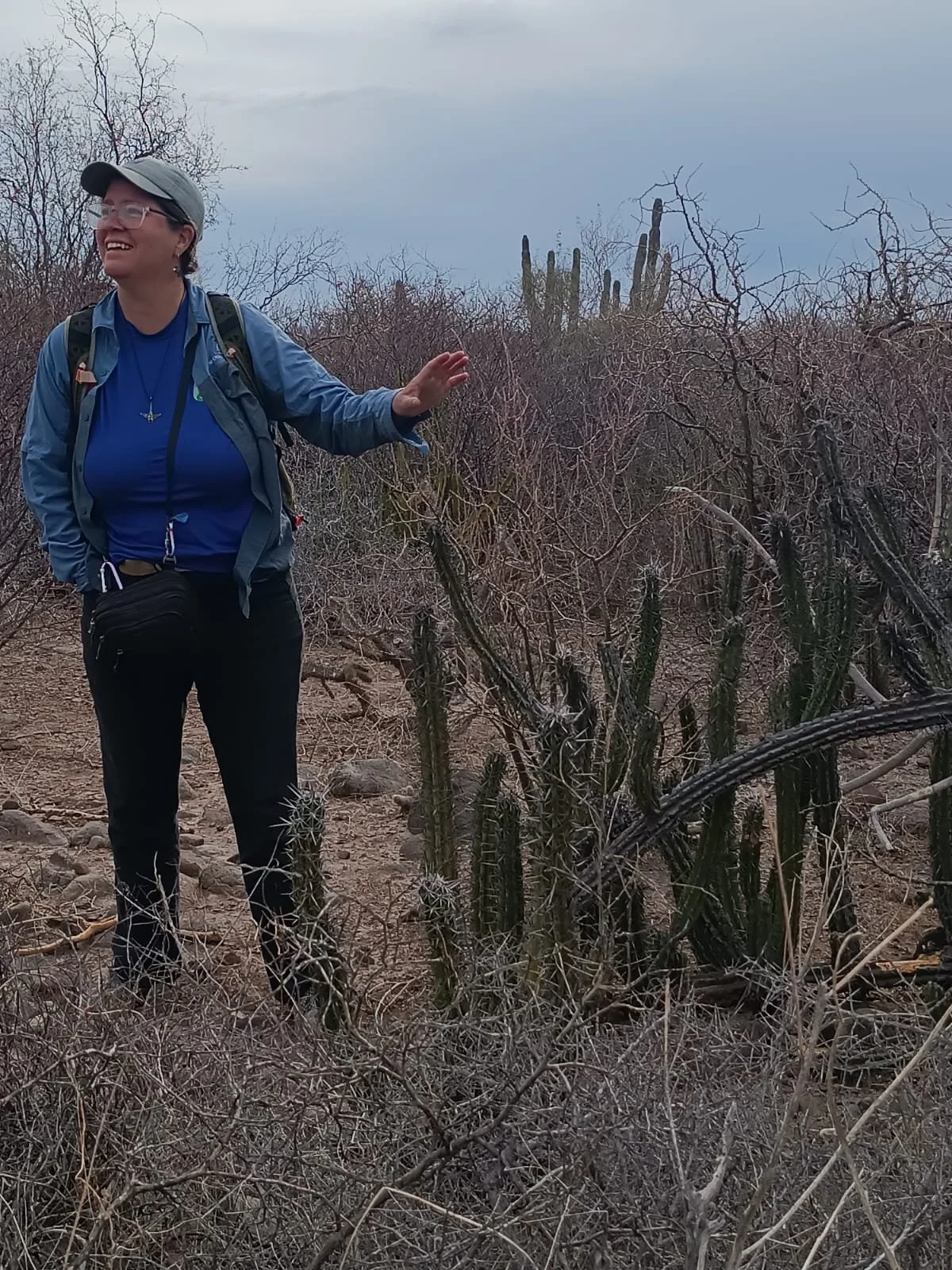
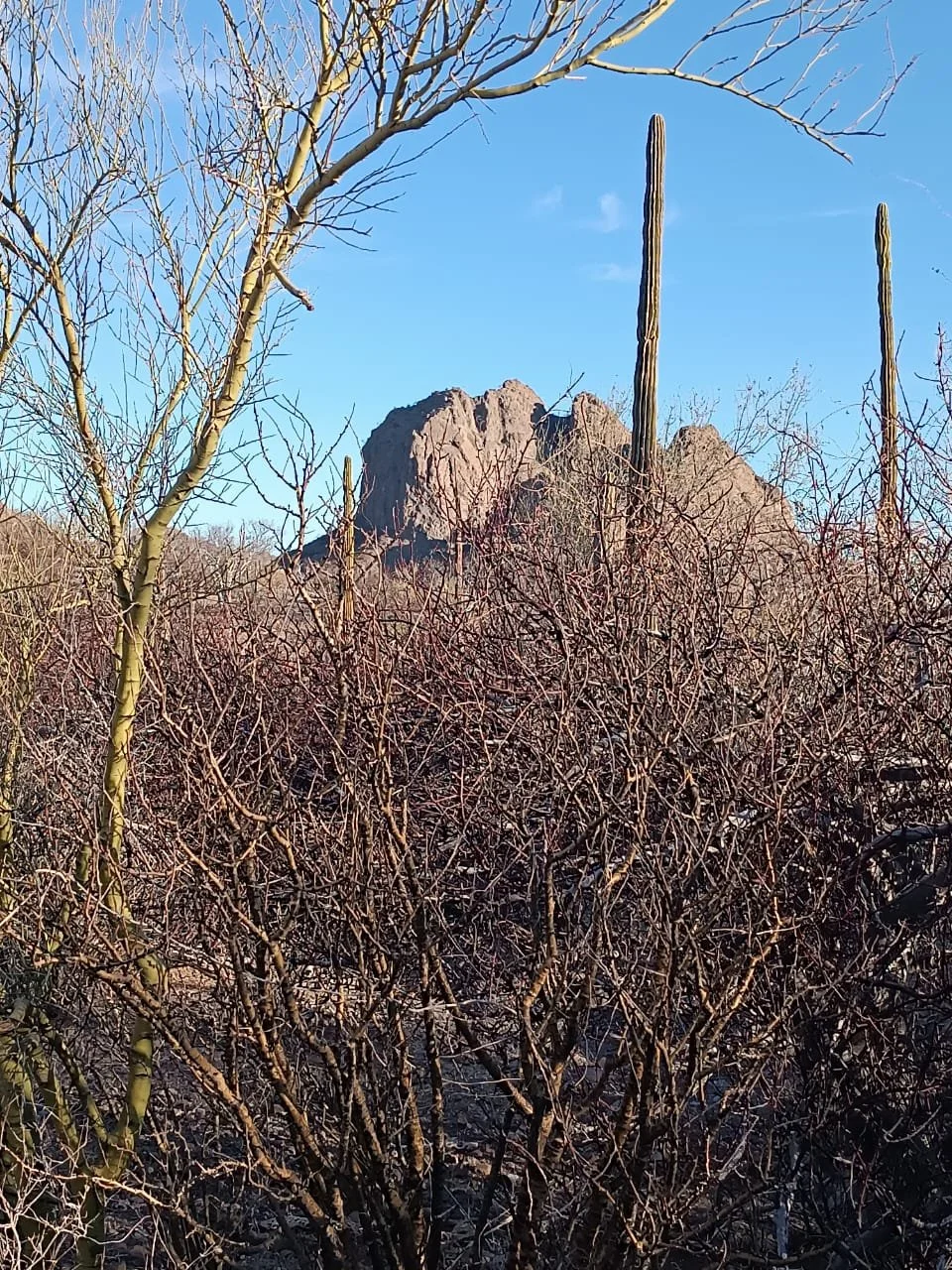
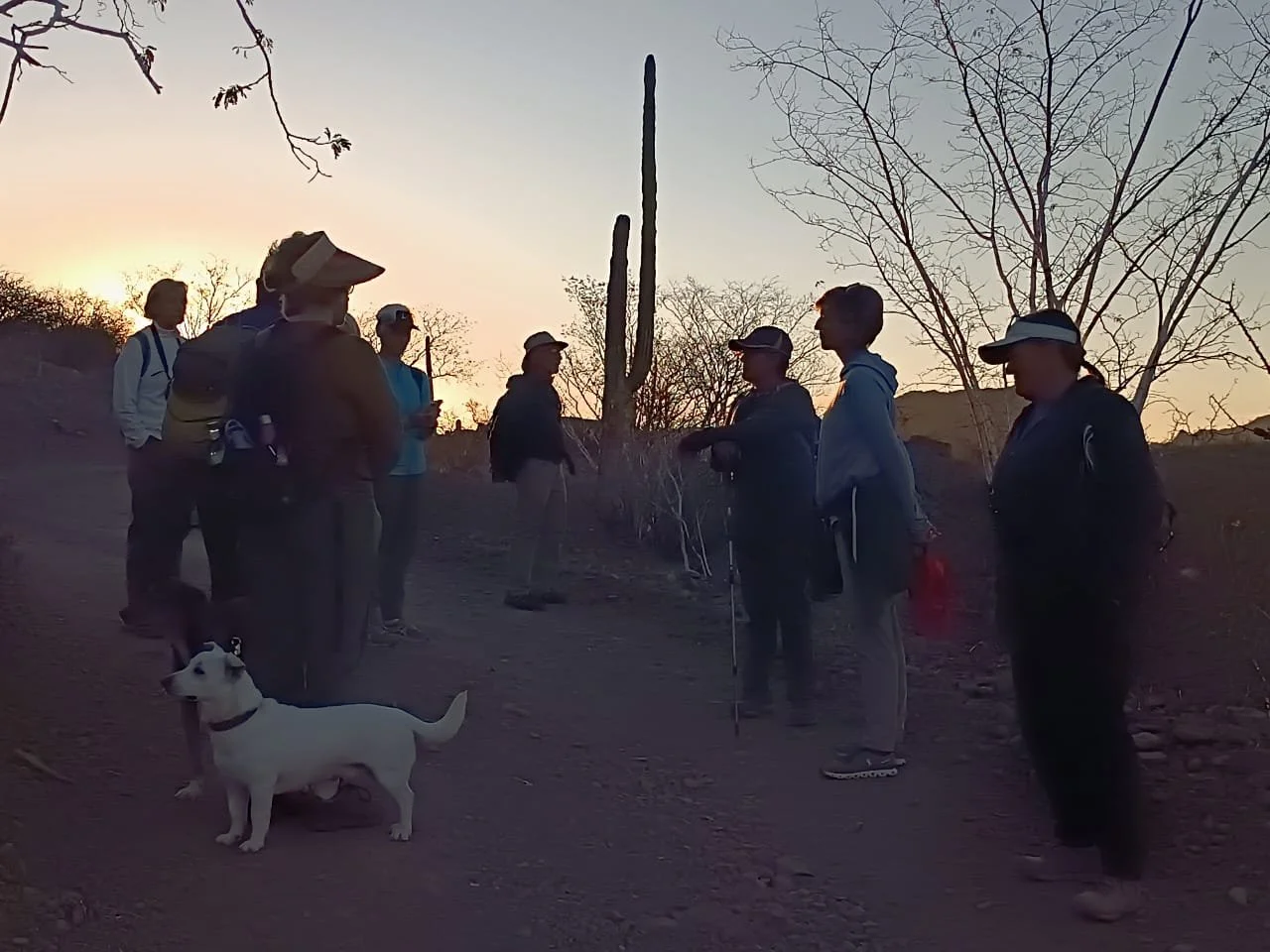
During our early hikes, we talk about the conditions of our parks, the current threats, water stress, ways to help build stewardship within the community, and changes in land management for ranches coexisting with the parks.

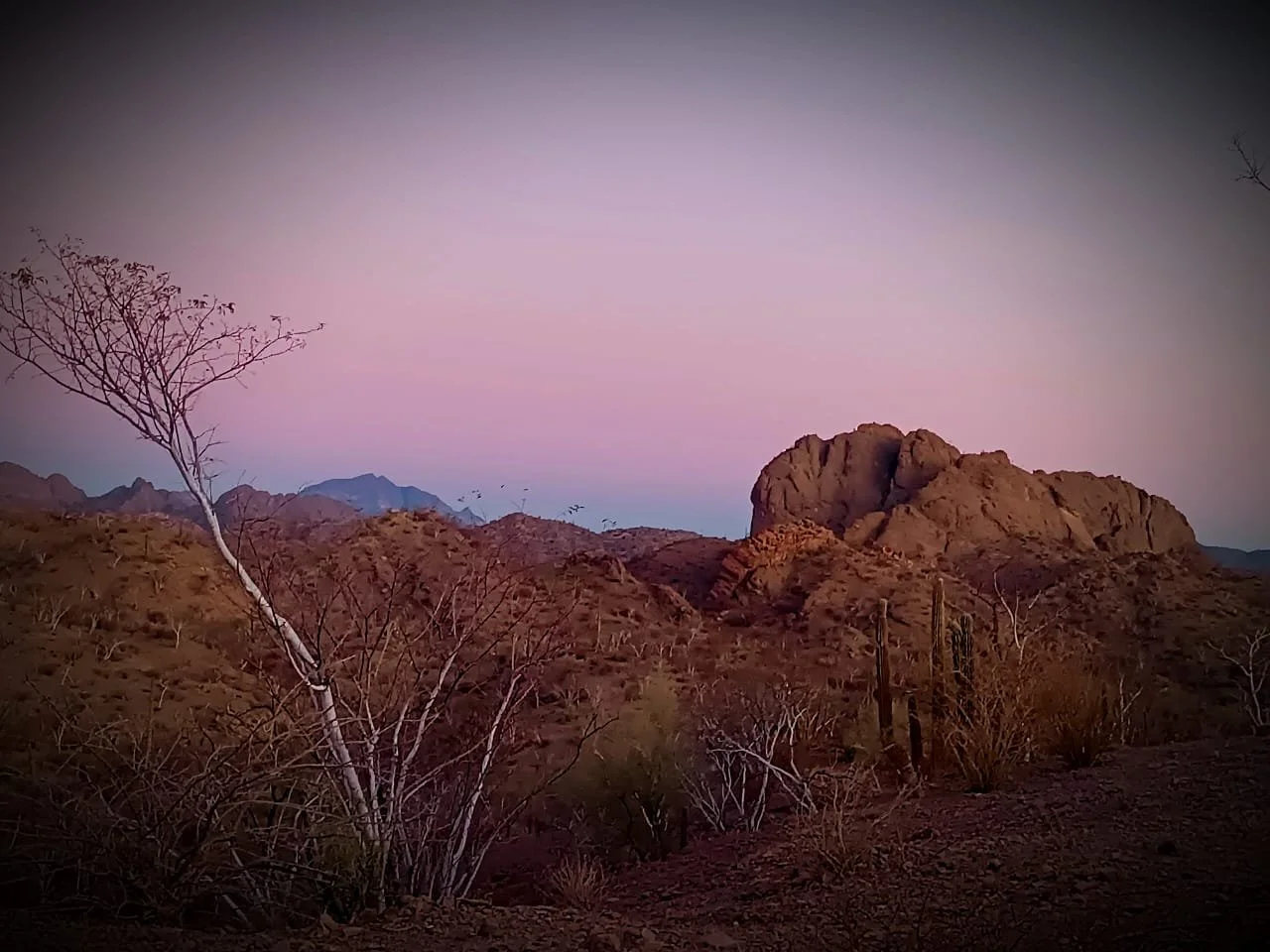
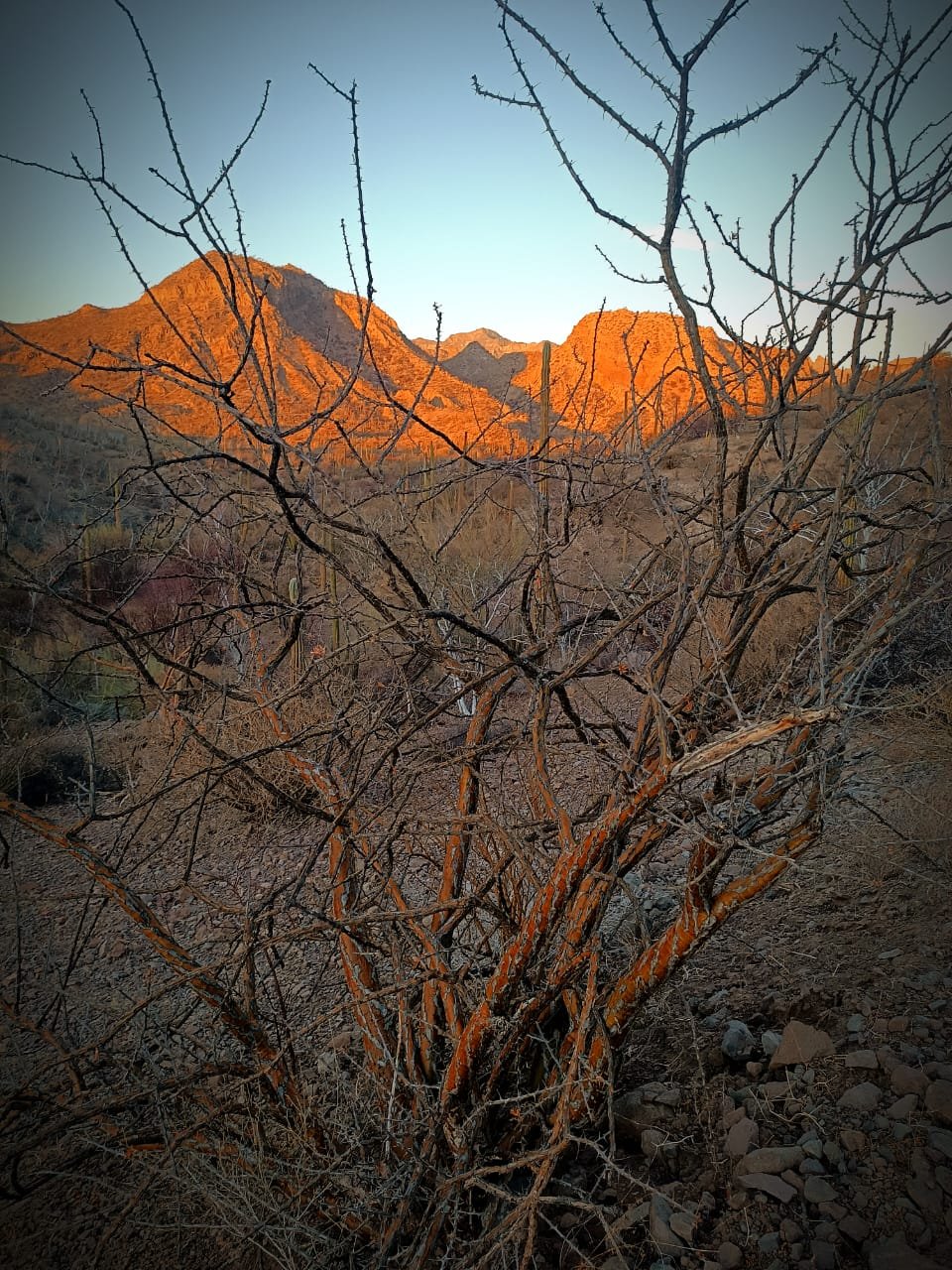
There’s something magical about stepping into nature before the world fully wakes up. The air feels crisper, the light gentler, and the silence more profound—broken only by the sounds of rustling leaves, bird calls, or the crunch of your boots on the trail.

A Front-Row Seat to Nature’s Awakening

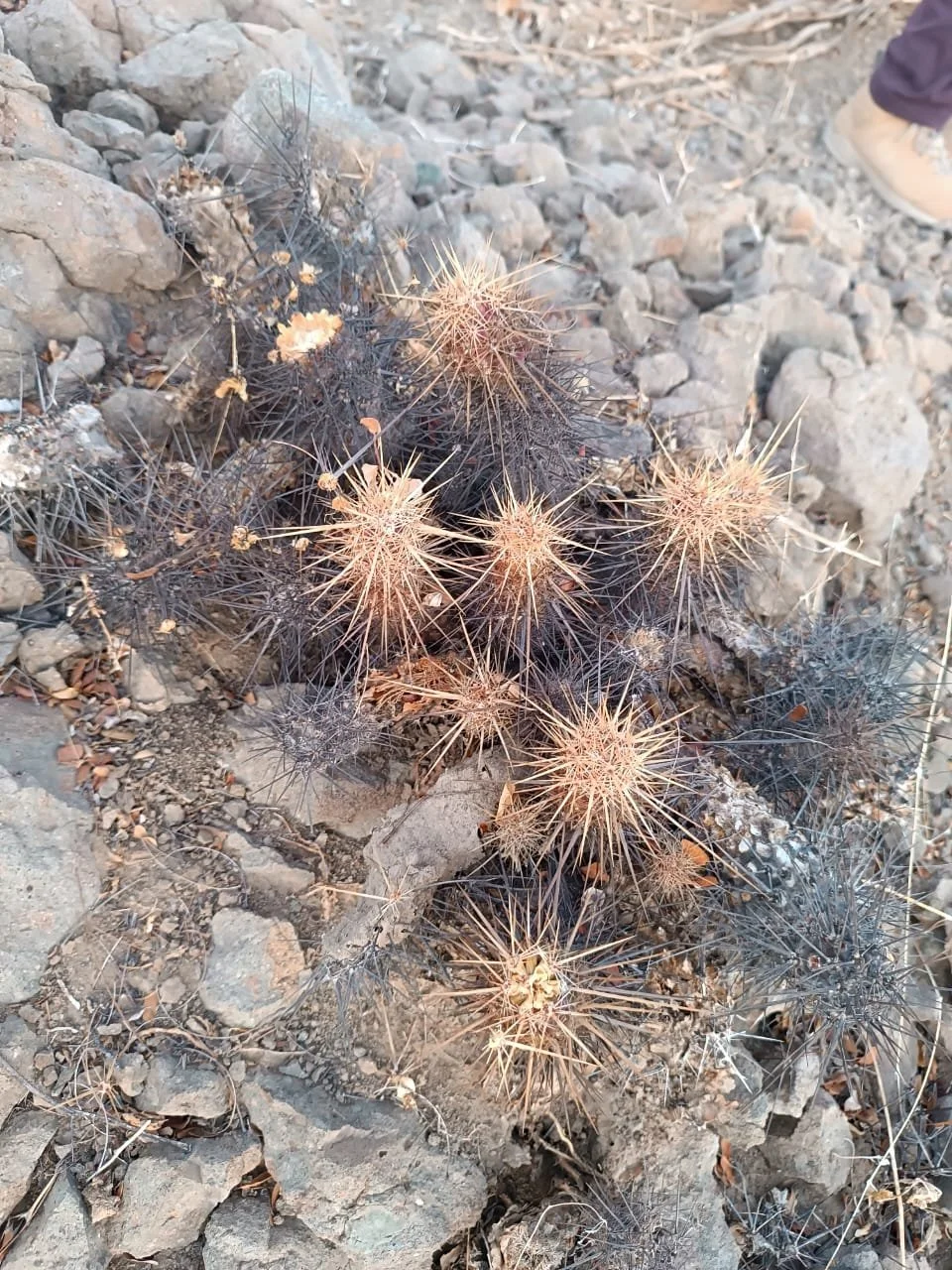
Moving quietly along the trail at this hour gives you a rare chance to witness these rhythms without disturbance. It’s a reminder that these parks aren’t just scenery—they’re living, breathing ecosystems.

Protecting What Protects Us National protected areas safeguard biodiversity, clean water, and even the air we breathe. When we hike them respectfully—staying on marked trails, avoiding noise, leaving no trace—we honor the protections put in place to ensure these landscapes thrive for generations.

A Gift to Yourself and Your Community Choosing to hike early isn’t just a personal benefit. By dispersing visitor impact throughout the day, you help reduce congestion on trails and minimize stress on fragile ecosystems. In other words, every early step you take helps protect the balance between recreation and conservation.

Contributing to park management Early bird hikes aren’t about being first to the trailhead. They’re about being present at a moment when the land is most generous in showing its beauty. Next time you plan a visit to a National Protected Area, set your alarm a little earlier and make  sure you and your companions have purchased the conservation brazalets to support the park system. You’ll return not only with photographs and memories, but with a renewed sense of connection to the natural world and a deeper appreciation for why protecting these places matters.
Keep Loreto Magical Raises Concerns at 2nd State Fishing Forum

How much are we really catching—and what are we releasing into the Marine Park?

Loreto has a long history as a fishing village. For decades, families relied on small-scale fishing to survive, while larger trawling ships operated for commercial purposes. In 1974, Baja California Sur became an independent state, and by 1976 Loreto began to grow into a larger town when FONATUR (the National Fund for the Promotion of Tourism) offered opportunities to improve living conditions.

Since then, the town has grown into a popular tourist destination, with all the demands and challenges that come with development in a fragile desert ecosystem. In July 1996, the Loreto Bay National Marine Park (PNBL) was declared, both to recognize its ecological importance and to help control and repair the damage caused by commercial overfishing.

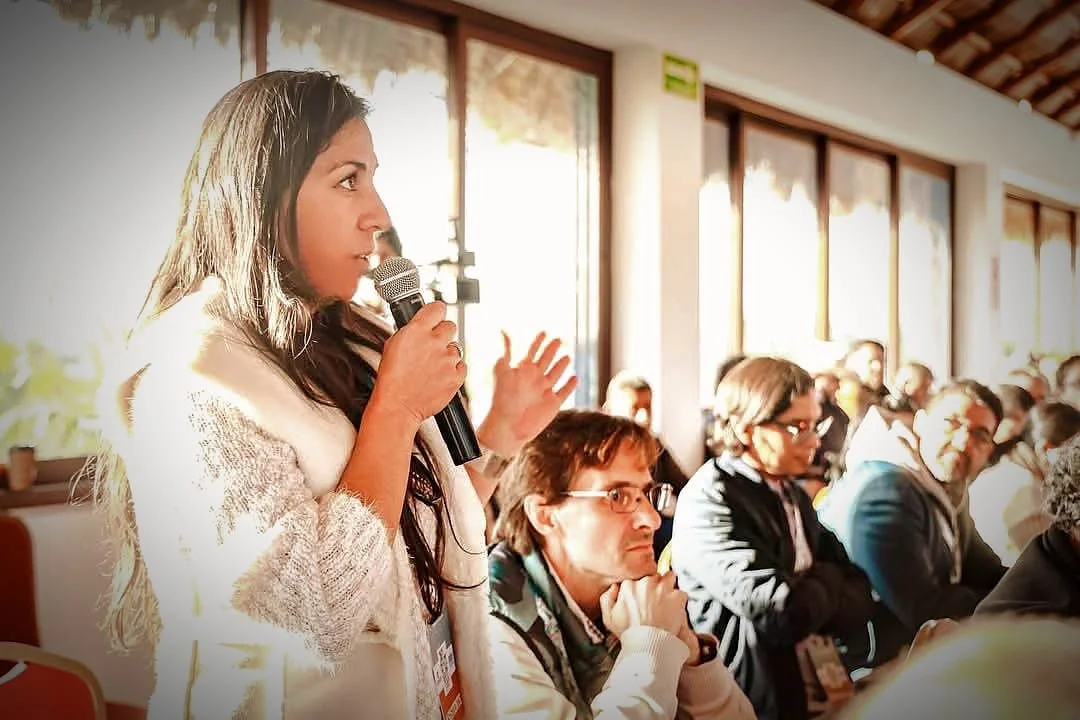
This January, Loreto hosted the 2nd State Fishing Forum at the Misión Hotel. Keep Loreto Magical attended to listen and ask key questions. While the event had a strong political tone, it did provide a platform for public comment. Much of the introduction focused on urging other municipalities in Baja California Sur to replicate Cabo’s “successful” economic model—tied to sportfishing, hospitality, real estate, and big tournaments.

Over two days, representatives spoke about conservation strategies for targeted species, monitoring tools, research on reproduction habits, and the importance of catch-and-release. However, most of the conversation centered on sustaining the business of sportfishing—with little mention of ecosystem fragility, overdevelopment, or the pressures from the real estate industry.

The reality is that the wealth of Loreto lies in the health of its waters. Since the creation of the Marine Park, tourism has shifted toward nature and conservation. Why, then, should we promote an increase in fishing tournaments under today’s circumstances?

GOVERNMENT REPRESENTATIVES AT PRESS CONFERENCE

Officials from CONAPESCA, FONMAR, and the State Government admitted the urgent need to update fishing legislation (unchanged for over 20 years). Yet, they proudly announced plans to nearly double the number of fishing tournaments statewide—from 54 to 90. This raises urgent questions:

  • Will fishing activities actually be better regulated?

  • Can we ensure targeted species survive repeated capture?

  • Why assume species in the Pacific and Gulf of California behave the same?

  • What will the impacts be on other species and ecosystems?

At the same time, serious threats to Loreto’s Marine Park remain unaddressed: raw sewage spills, brine discharge from the desalination plant at Danzante Bay Resort, illegal dumping of pool chemicals, and even the arrival of cruise ships during whale feeding and breeding seasons.

A fishing forum should be a space to discuss how to:

  • Protect fishing communities and their resources (was barely talked about)

  • Improve fishermen’s quality of life (Government spoke of successful examples)

  • Promote sustainable fishing (Practice of catch & release but promoting many tournaments seems a conflict of interest)

  • Recognize the role of women in fisheries (Yes they did show being inclusive)

  • Protect fish habitats (Not the main concern, when the legislation is 20 years old)

  • Strengthen community rights (Clear challenge specially now under cartel threats)

  • Exchange recommendations for better legislation (biodiversity loss and climate change need to become a priority)

While no authority offered direct answers to our voiced concerns, some showed interest in becoming conservation partners to tackle threats like: pollution, biodiversity loss, and climate change.

When the topic of women in fisheries came up, the spotlight was on the Pink Promise Tournament, which supports cancer treatment programs. While the recognition of women on boats was celebrated, the chance to raise environmental awareness was missed.

This is especially concerning: As recognized by the “Secretaria de Salud” (Ministry of Health) Baja California Sur has the highest cancer rates per capita in all of Mexico, affecting young women. Could pollutants in our air, soil, or water be contributing? And could Loreto’s mothers and daughters lead a movement to demand clean water, clean air, and abundant fisheries—for themselves and for future generations?

In her final comments, the KLM Communications Officer emphasized: “Yes we know women are already central to fisheries and processing, yet too often their contributions go unseen. Imagine if, instead of being pushed into tournaments, they were supported to lead in sustainable food security and ocean stewardship.”